How one family’s dream grew into a movement that is transforming the lives of young people across Eleuthera through the power of sailing.
Article by Ty Christopher Olsen, July 13, 2026.
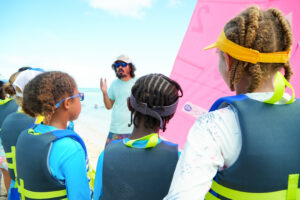
Eleuthera Sailing Academy
Building Sailors. Building Futures
Dreams Come True
The Eleuthera Sailing Academy began as a vision, but like many meaningful things, its roots reach much farther back than the day it officially opened.
For founder Martin Manrique, sailing has never been just a sport. He began sailing as a child and quickly found himself drawn not only to the competition, but to the discipline, and confidence sailing could offer. Over the years, sailing became a passion that led to multiple championship titles, more than 20 years of elite coaching experience, and eventually years spent traveling the world by sailboat with his wife, Carlien Pels.
At first, their journey was about exploration, seeing the world, and living within different cultures. Somewhere along the way, his thoughts began to shift. Sailing, they realized, was something they could share and for many young people in the places they visited, it could become more than recreation, it could become opportunity that they may never be able to experience.
That realization came into focus through an 11-year-old boy named Juan Pablo.
Martin and Carlien were anchored outside Cartagena, Colombia, when Juan Pablo approached their sailboat one afternoon. He knocked on the boat and asked, could they teach him how to sail?
The answer, of course, was an enthusiastic, yes!
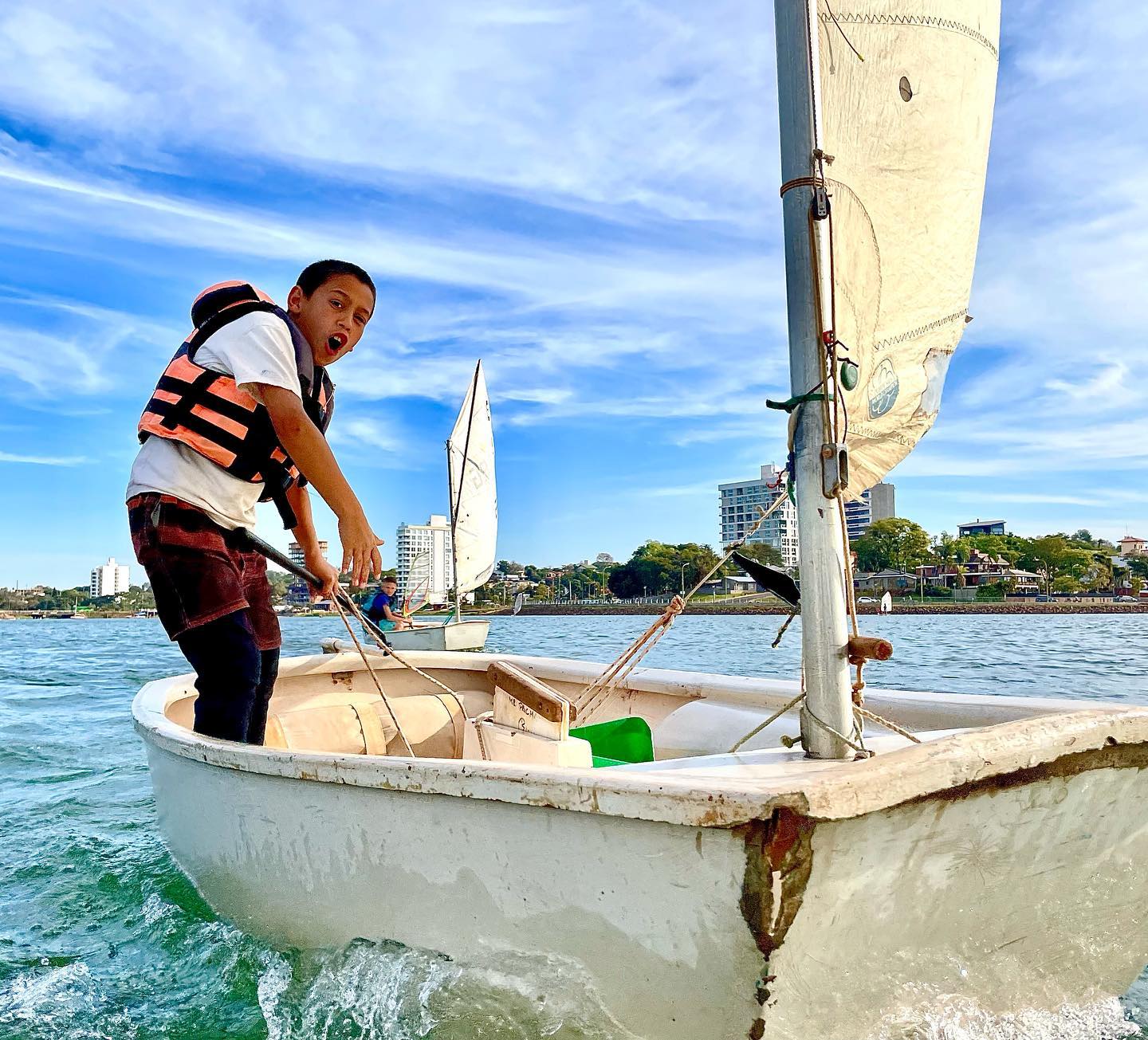
There was only one problem, they did not have a proper small boat for teaching him to sail. At the time, they were using an old Opti as a dinghy. So, Martin did what sailors do well, he improvised. He found branches and sticks to use for rigging, while Carlien came across an old Hobie Cat sail on the beach and put her sewing machine to work. In a short time, they had an Opti sail.
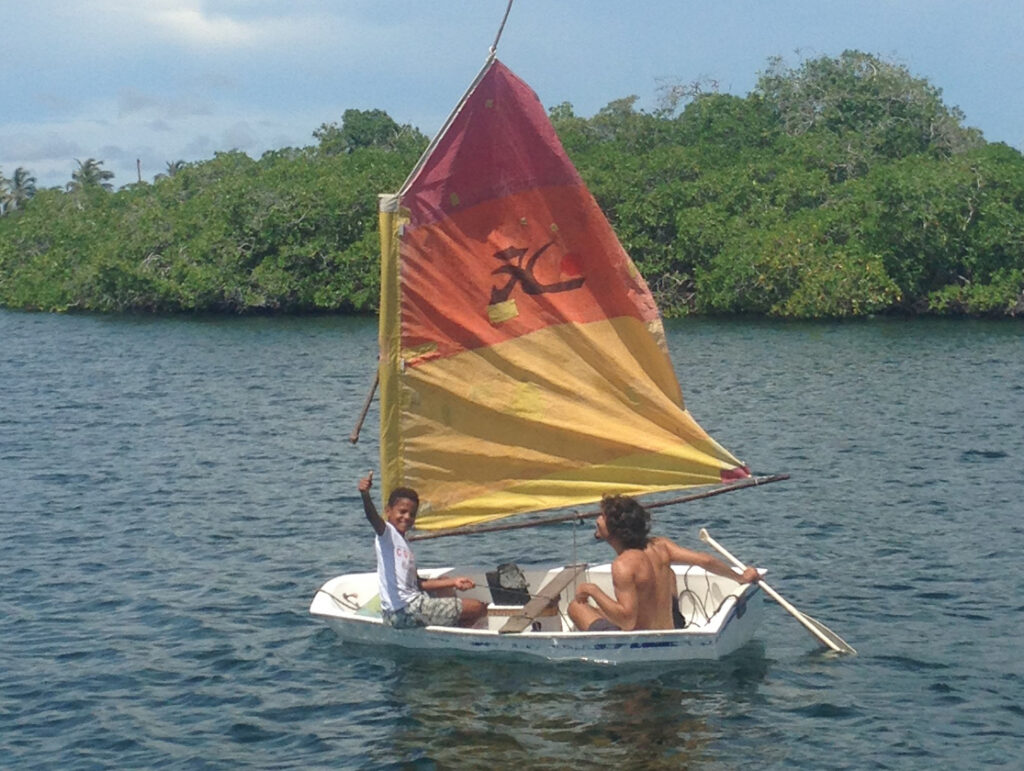
Once the boat was rigged, Juan Pablo climbed into the boat and something happened that Martin did not expect, Juan Pablo was sailing almost immediately.
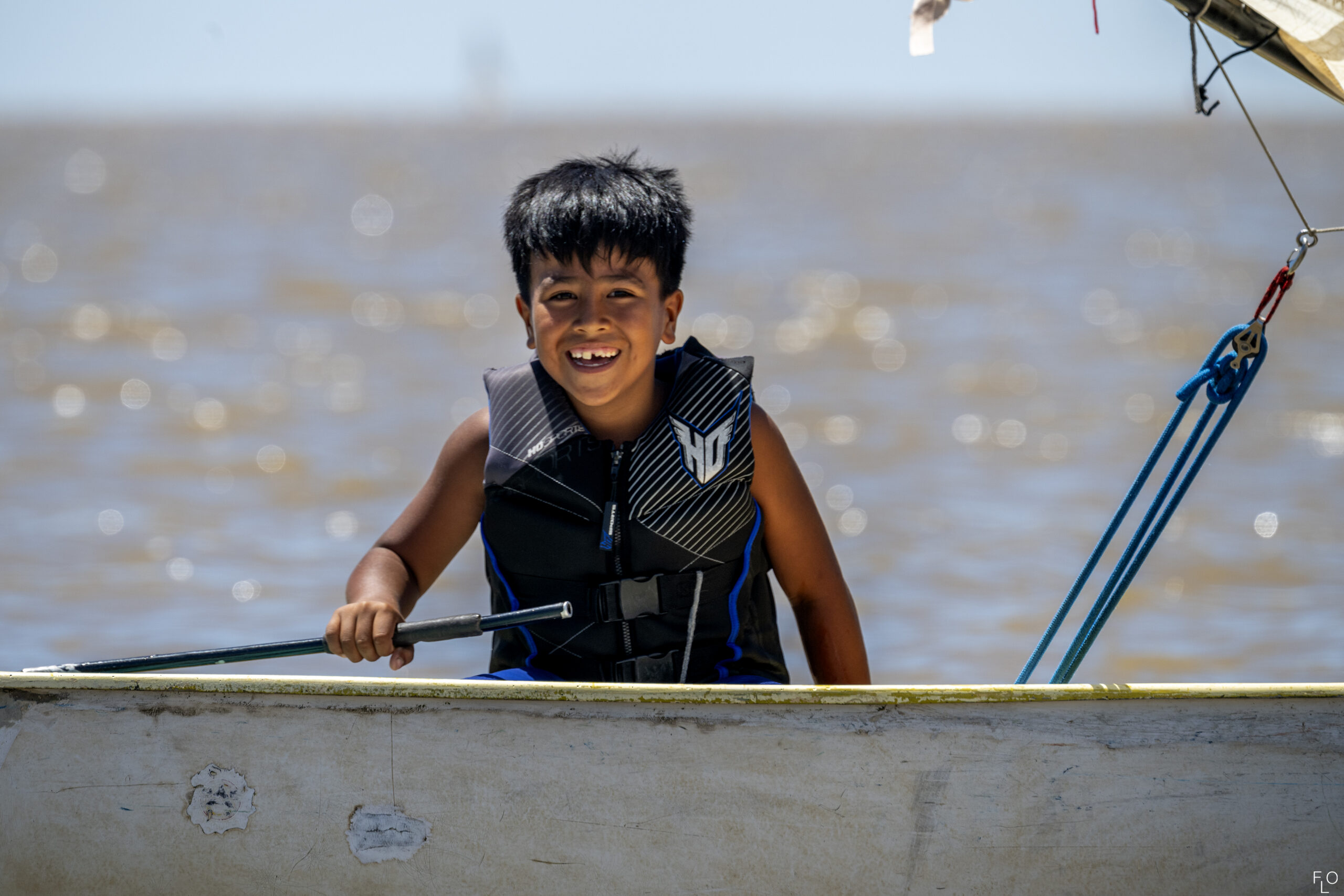
What began as a single lesson turned into something much larger! Juan Pablo fell in love with the sport, began traveling to regattas, performed well, and eventually started helping other kids learn to sail. These were kids, who under ordinary circumstances, may never have had the chance to be on a sailboat.
From that experience, Martin began to imagine something bigger.
After many conversations with sailors, coaches, and supporters in his sailing world, he founded Make Them Sailors, an organization focused on bringing sailing to young people in remote and underserved communities. Today, Make Them Sailors supports 15 sailing centers in nine countries, reaching well over 500 young sailors. These programs are made possible by volunteers and by the generosity of sailors, yacht clubs, sailing clubs, and individuals who donate equipment, time, and financial support.
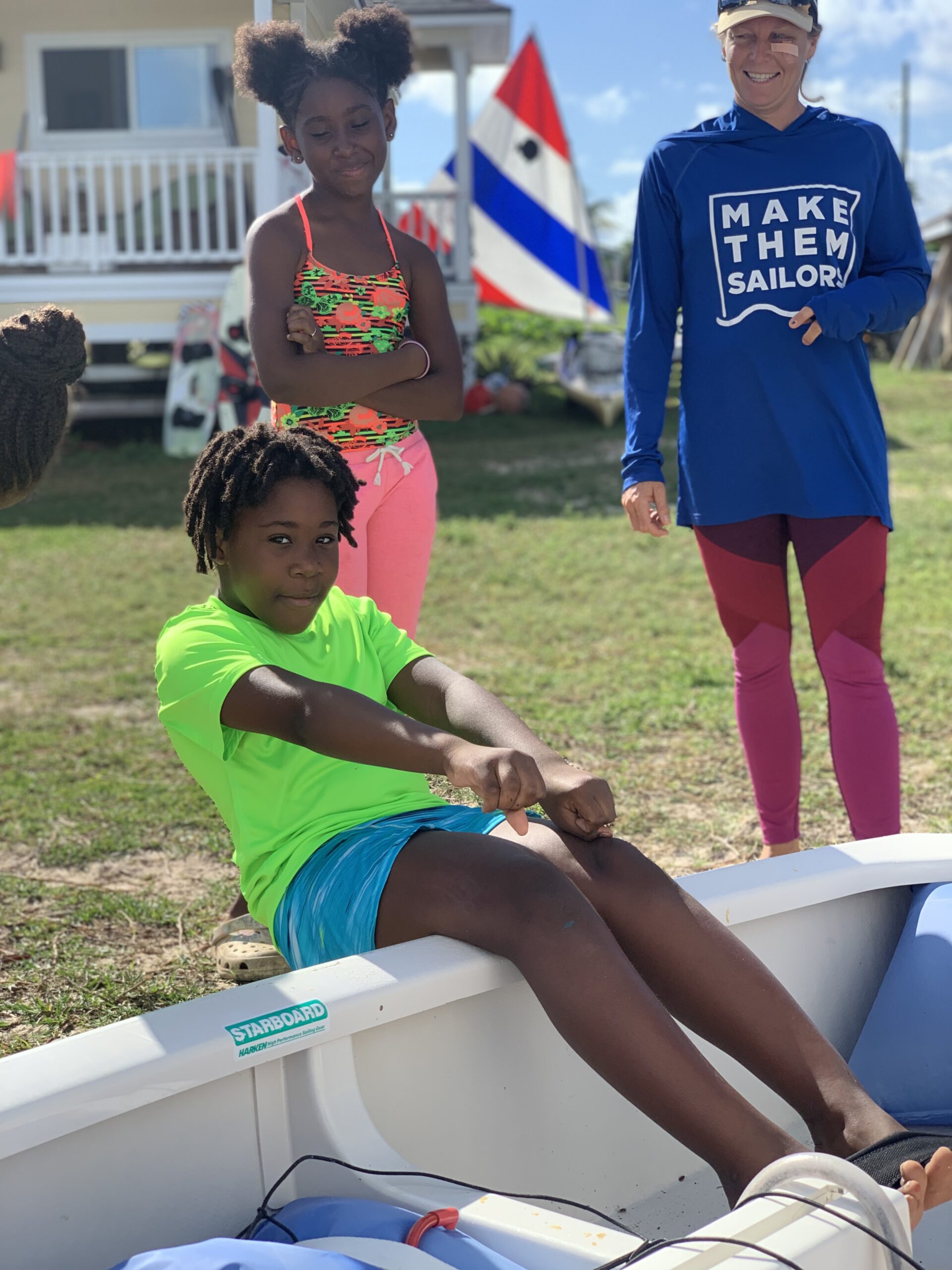

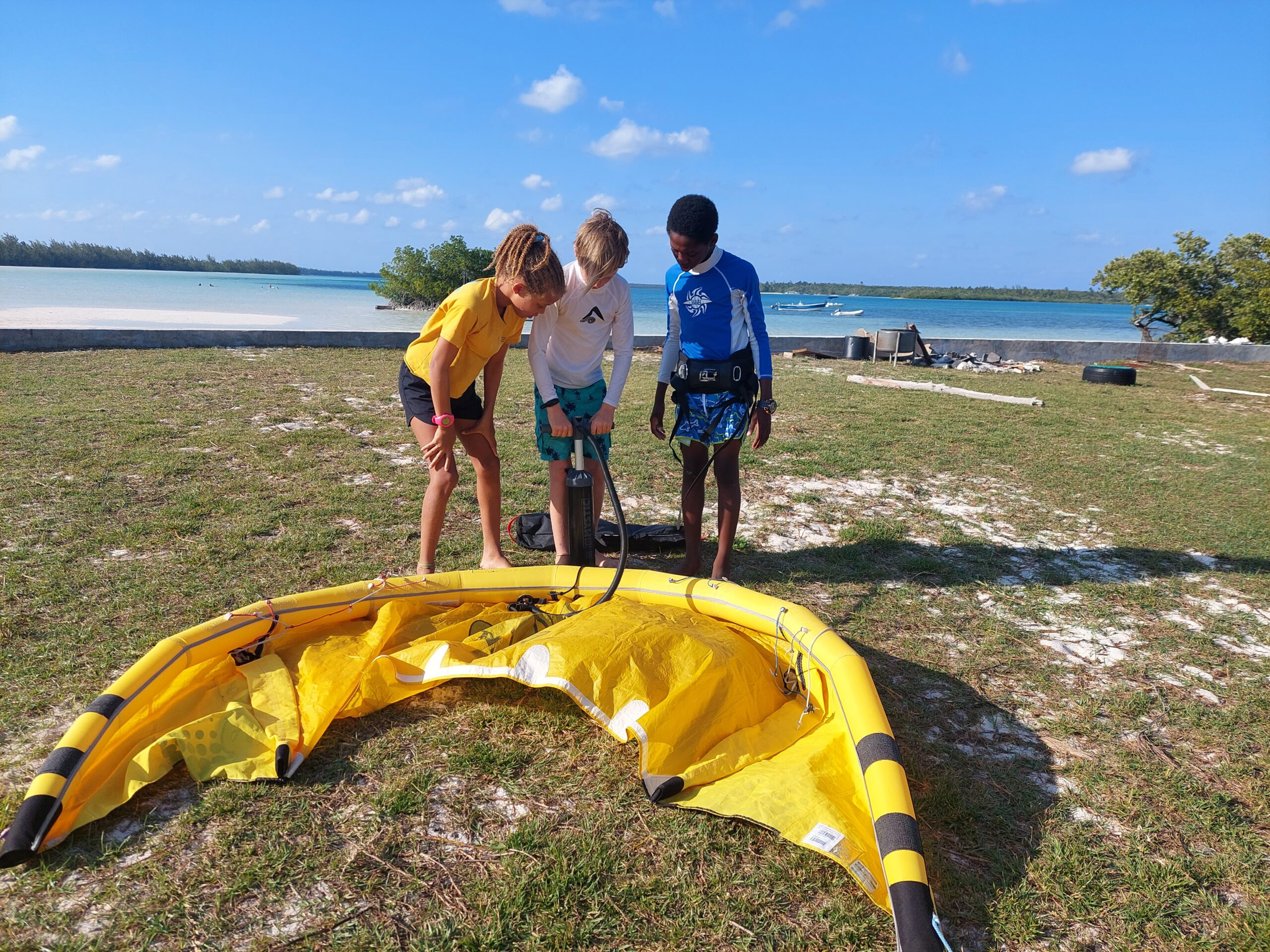
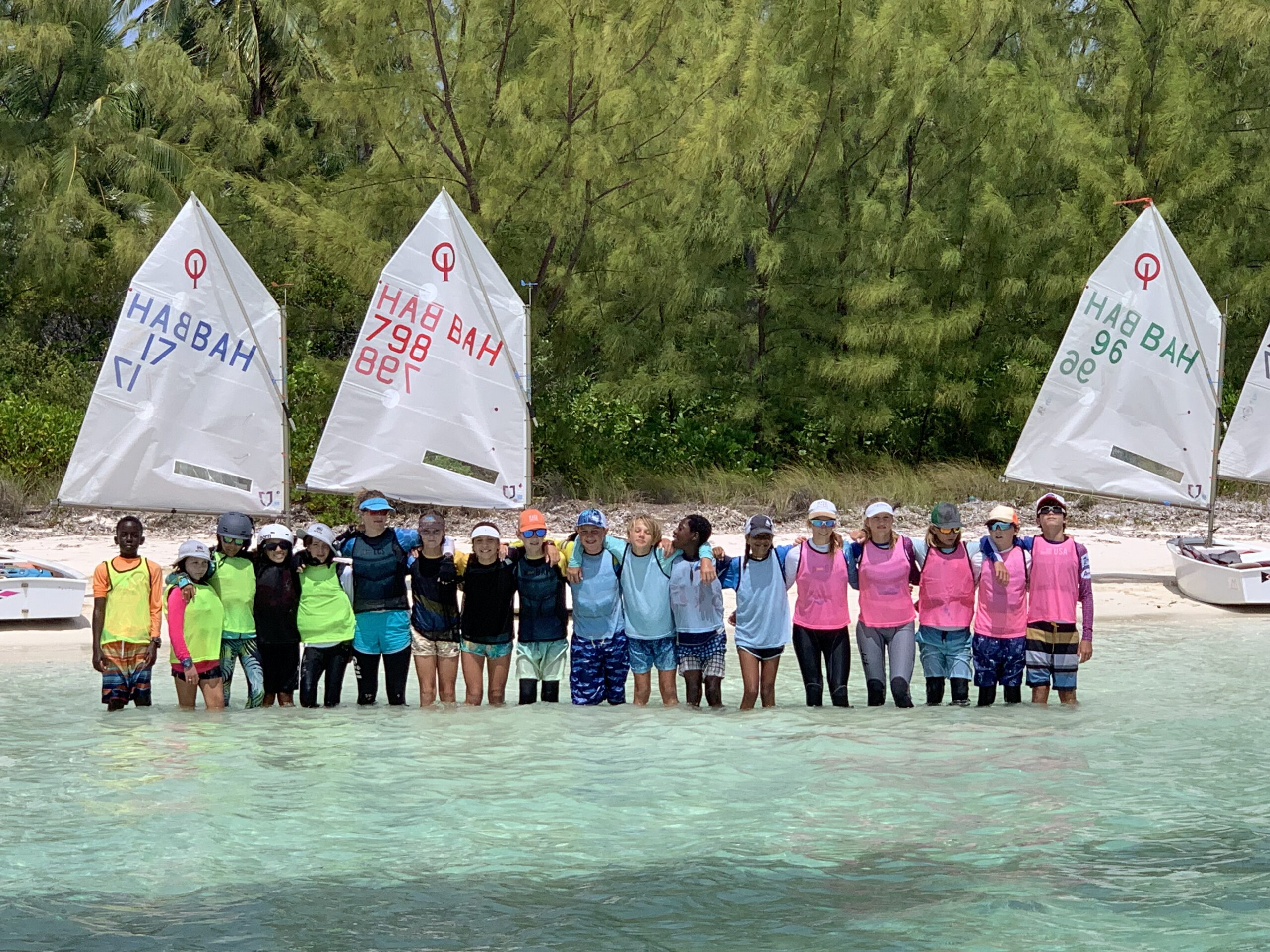
“ESA is not only about teaching children to sail. It is a place where local youth, visiting sailors, and world-class coaches come together in one of the most beautiful sailing environments in the world. People can train in complete nature, enjoy incredible wind and water conditions, and at the same time support a community program that creates opportunities for Bahamian youth.
- Martin Manrique, ESA Sailing Director
Then Came Eleuthera
While Martin was in Europe coaching Argentinian Nacra 15 sailors and 2024 Silver medalists at the Paris Olympics, Mateo Majdalani and Eugenia Bosco, he was contacted by Craig Symonette, an accomplished Bahamian businessman who represented The Bahamas in sailing at the 1972 Olympic Games. Craig had a vision about opening a sailing school on the island of Eleuthera in The Bahamas. The idea sounded promising to Martin, but uncertain. Still, he agreed to visit.
When Martin arrived, he was shown Savannah Sound, which is a protected bay with amazing clear blue water, an ideal depth, consistent breezes, and quiet beaches. For a sailor, it was nearly perfect.
Then reality hit, there was no sailing center, no equipment, no established program and no home for his family. Starting the school would mean building nearly everything from scratch. But after spending time on the island and meeting the people who believed in the idea, Martin made the decision to move his family to Eleuthera and begin the work.
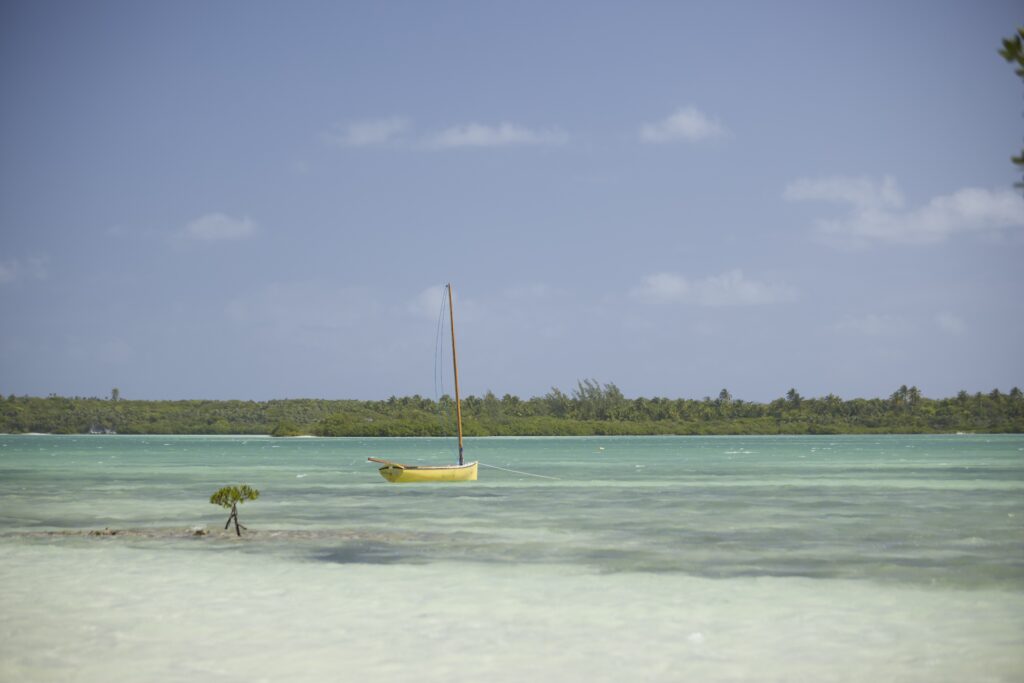
Soon, the pieces started to come together. A facility was built and shortly a home was created for his family. Martin reached out to his network of sailors and sailing clubs, and donated equipment began to arrive. Boats, boards, sails, and gear, all items that might have sat unused elsewhere, were being repurposed in Eleuthera. The equipment was only one part of the challenge. The bigger task was inspiring local children to step into a sport many had never imagined was meant for them or believed they would have the opportunity to experience.
For many kids on the island, sailing was unfamiliar. Even though they were surrounded by water, it was not something they had grown up seeing as an accessible activity. Martin spent countless hours meeting with school administrators, teachers, local and national government officials, families, and the students themselves. Slowly, curiosity started to grow, and he started to see the enthusiasm.
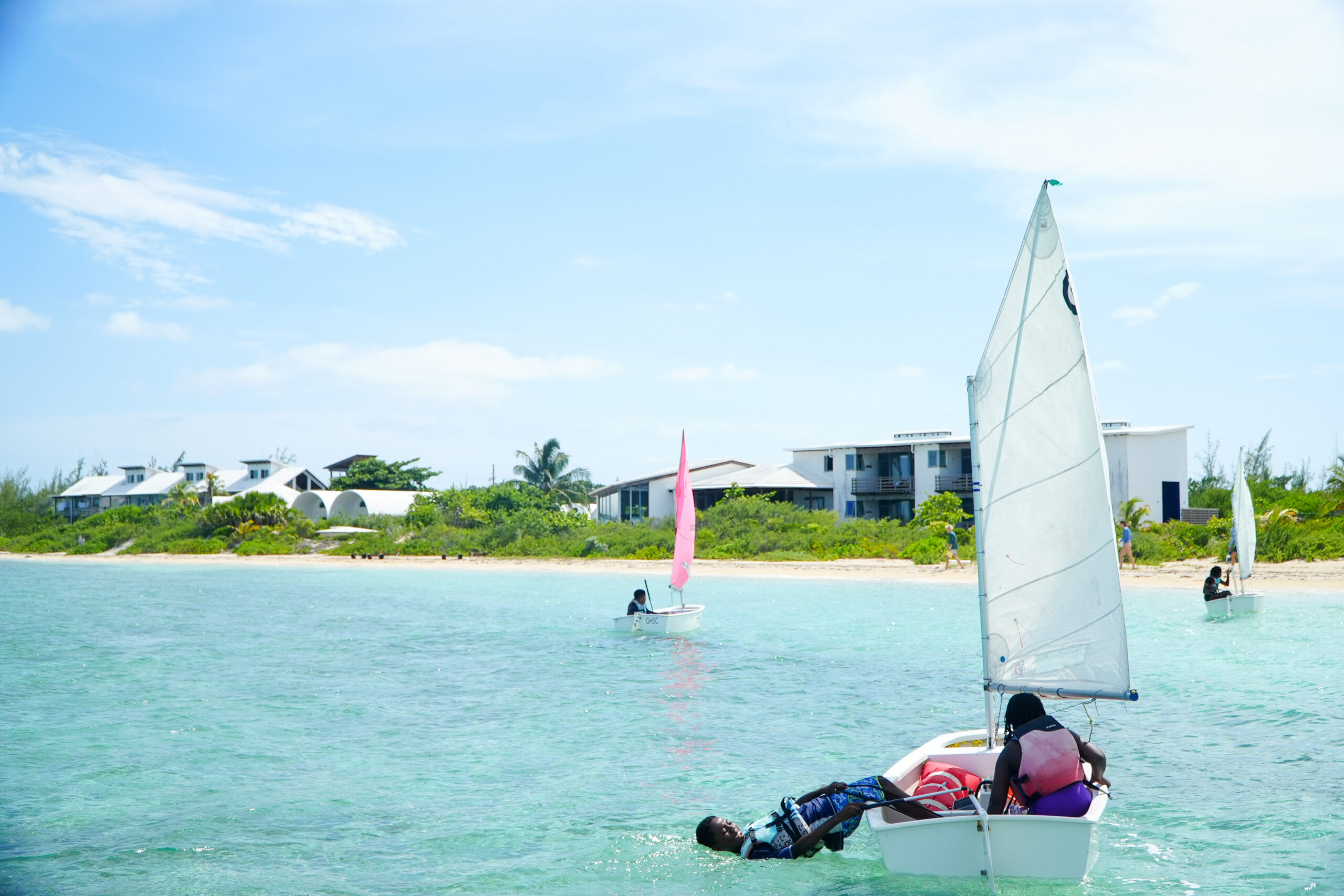
The Eleuthera Sailing Academy (ESA) began building strong relationships with local schools, including Deep Creek Middle School, Spanish Wells School, and The Island School, just to name a few. Through tailored sailing programs, students were introduced to the basics of sailing, water safety, teamwork, responsibility, and eventually racing.
The results were impressive. Young sailors early in the program attended national regattas and performed remarkably well. The momentum around youth sailing became part of a larger national conversation. In April 2023, the Bahamian House of Assembly, with unanimous support from both political parties, officially recognized sailing as the national sport of The Bahamas. For ESA, it was a such an unexpected move forward and a sign of what can happen when young people are given access to something new.
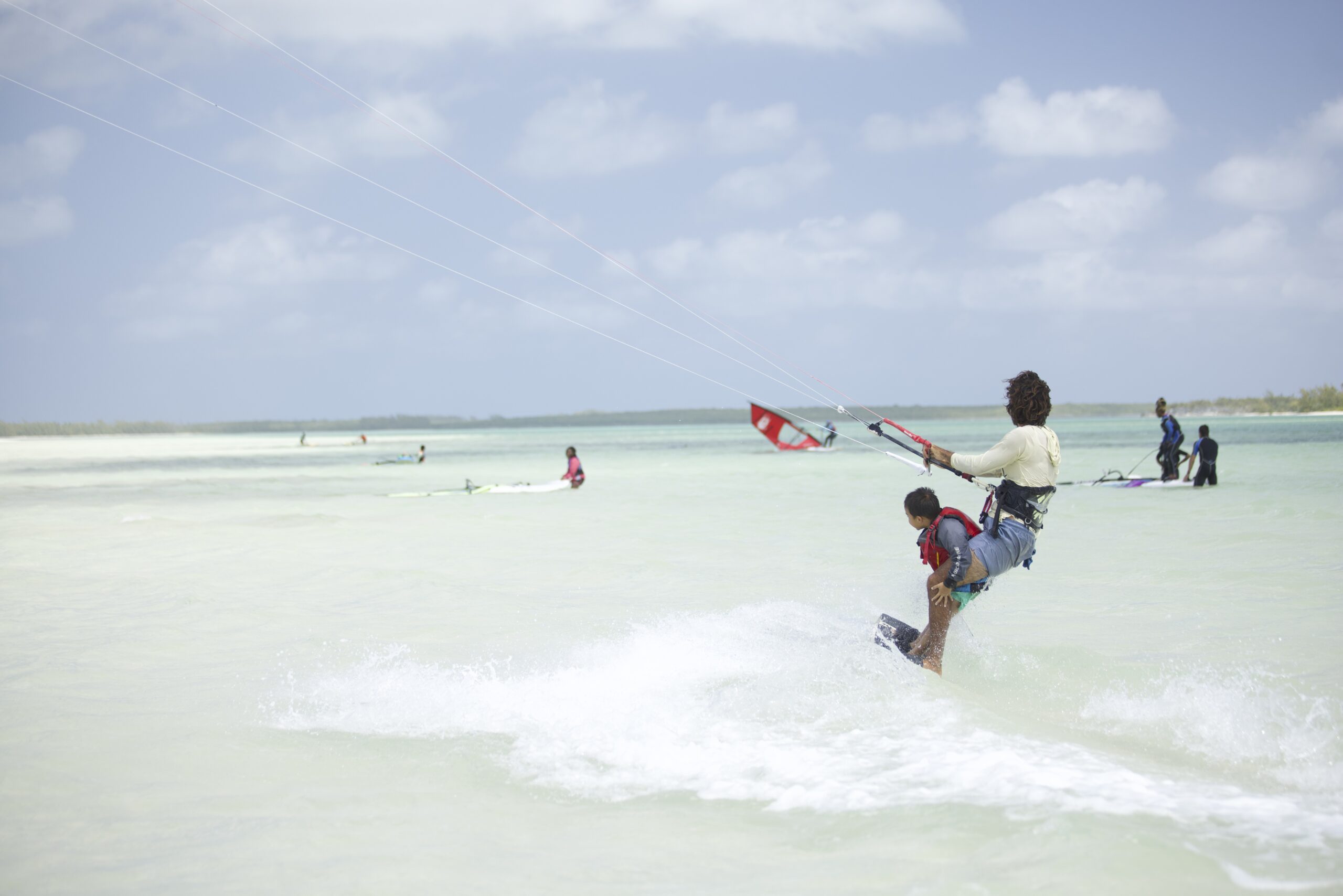
“ESA is also more than a sailing school. We combine youth development, competitive sailing, kite, windsurfing, and wingfoiling, while creating a model where visiting sailors can be part of a meaningful community program.” - Carlien Pels, ESA Instructor
The Work Behind the Dream
It is easy to be distracted by Eleuthera’s beauty, the clear water, open sky and the steady breeze, but the couple of weeks that I had the opportunity to see the operations at the academy revealed just how much effort it takes to keep a program like this alive.
Martin and Carlien have fully dedicated themselves into ESA for years. They are instructors, organizers, fundraisers, maintenance crew, mentors, and problem solvers. They are also parents to twin daughters and a newborn. Carlien helps with the daily needs of the school while caring for their young family full time.
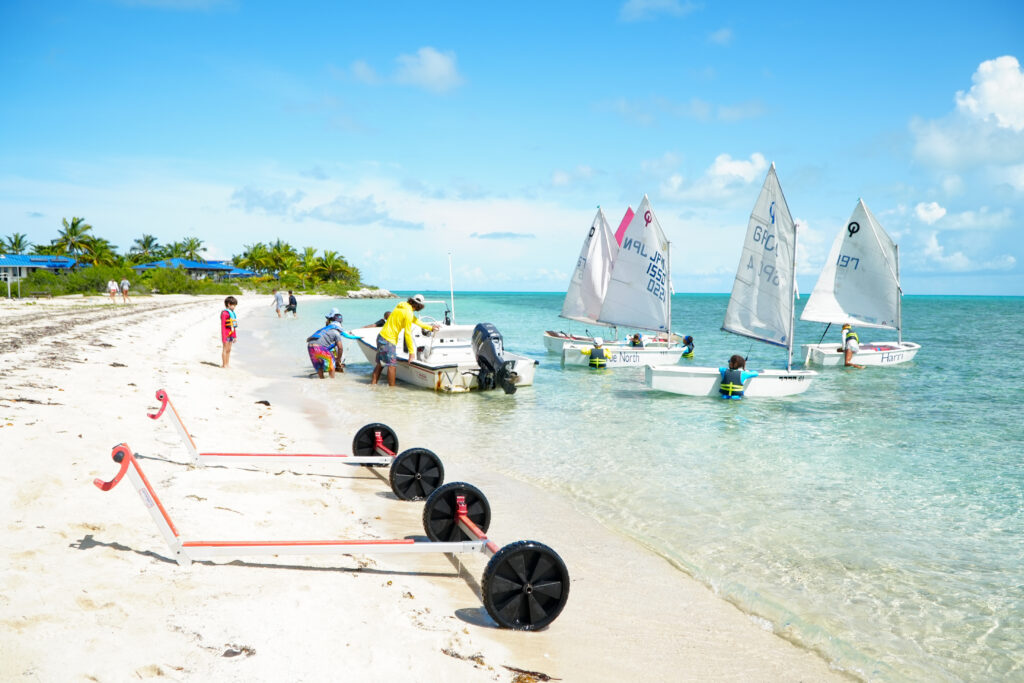
To put it simply, they cannot do it alone. This summer, Martin made the difficult but necessary decision to take time away from the program and take his family to visit relatives and friends back home in The Netherlands. Before leaving, he worked hard to train a local sailor, Dion Archer, not only in sailing, but also as an instructor and leader who could carry the program forward in his absence. Dion also completed the online portion of the US Sailing Level 1 course.
Though Dion has only been sailing for a short time, his dedication has been extraordinary. Alongside him, two other local team members are helping manage the day-to-day operations of summer camp, with additional volunteer instructors from Europe joining for several weeks. This is what a program like the Eleuthera Sailing Academy needs, not one person carrying the entire weight, but local leadership growing from within the community and sustaining those people in their positions.
The Eleuthera Sailing Academy is not just teaching young adults how to sail. It is opening opportunities for careers as well as experiences. It is building confidence and connecting local youth to the water that surrounds them. Most importantly, it is offering mentorship, structure, adventure, and the kind of hands-on learning that can stay with a young person for life.
For some students, sailing may become a lifelong sport, for others, it may lead to travel, competition, employment, coaching, or new educational opportunities. For many, it may simply become a lasting memory of the moment they discovered they were capable of more than they thought.
The Future of Eleuthera Sailing
Although Martin and his crew have done a fantastic job of making sure that everything that they have accomplished over the years continues to grow and be successful, there are a handful of people with a personal interest in seeing the program succeed. Board members include: Selima Hauber, Chavette Strachtan, and Craig Symonette. Most recently William “Dougie” Douglass has become an advocate for the program. Dougie, a sailing world and national champion, has lifelong ties to the island of Eleuthera and a history of supporting island activities.
Through their involvement, these individuals provide leadership to helping the Academy navigate political challenges, build lasting partnerships, and develop strategic initiatives that strengthen and expand the program. Their continued commitment has positioned the Eleuthera Sailing Academy for sustainable growth while making the sport of sailing increasingly accessible to children and families throughout Eleuthera.
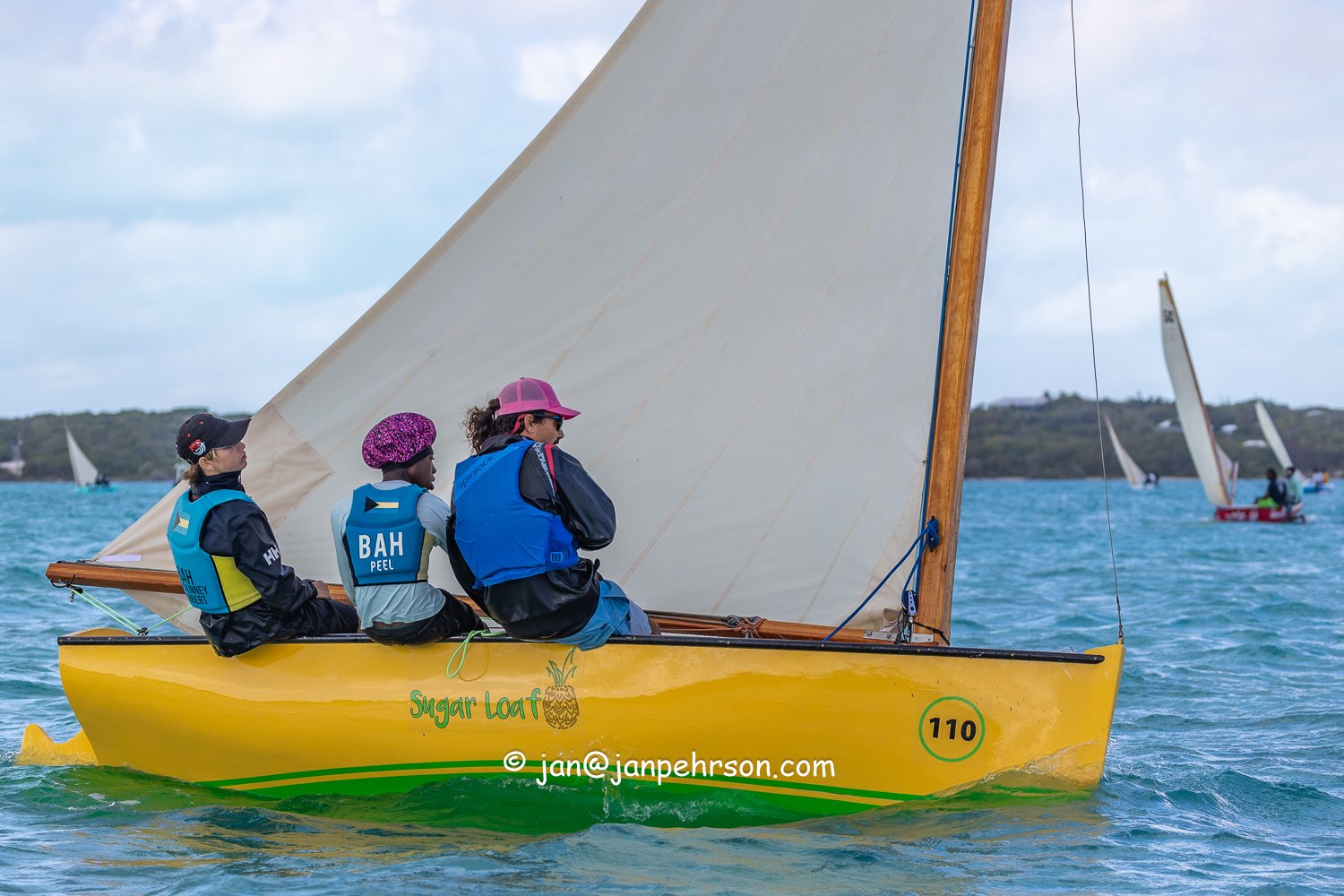
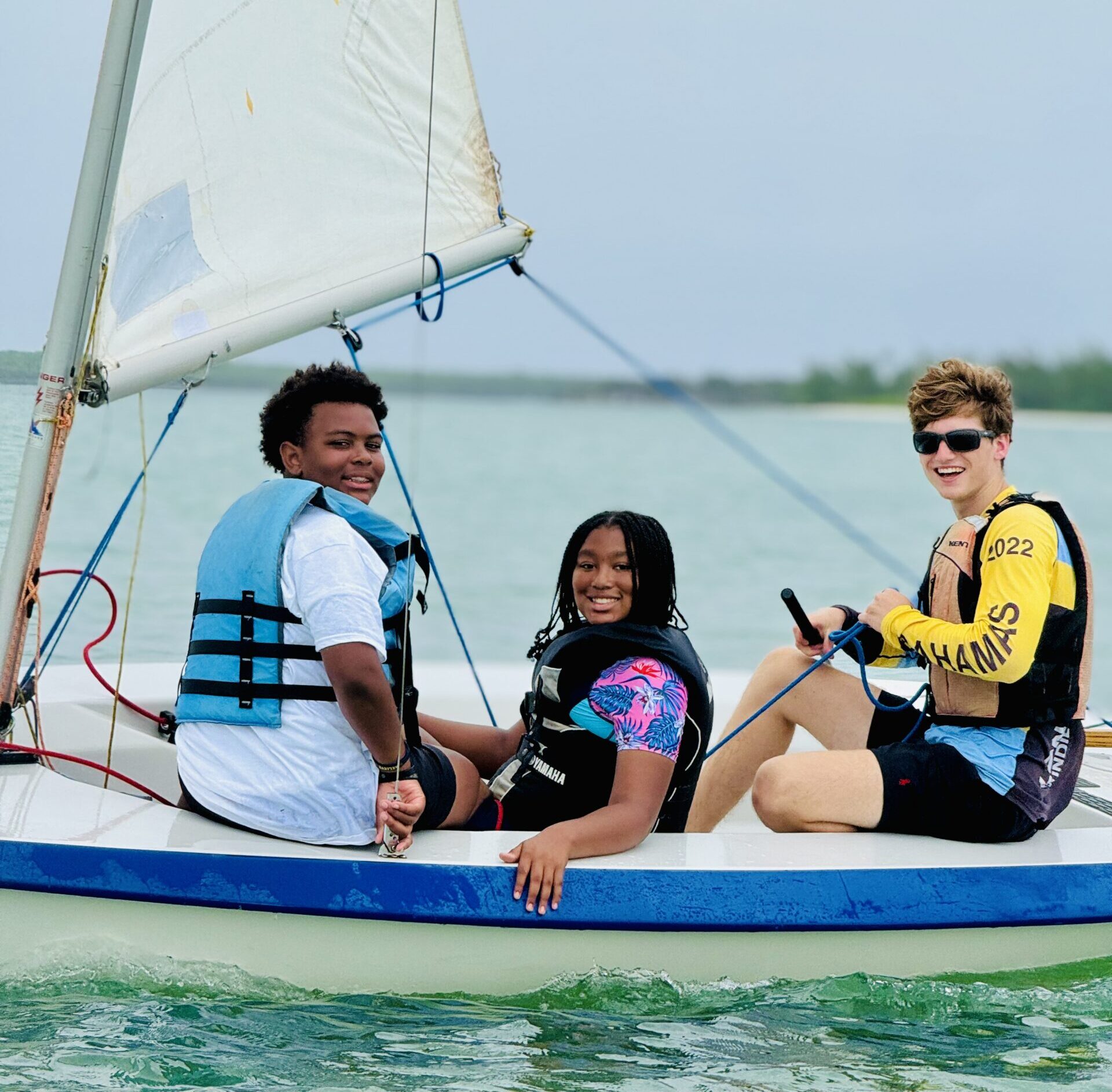
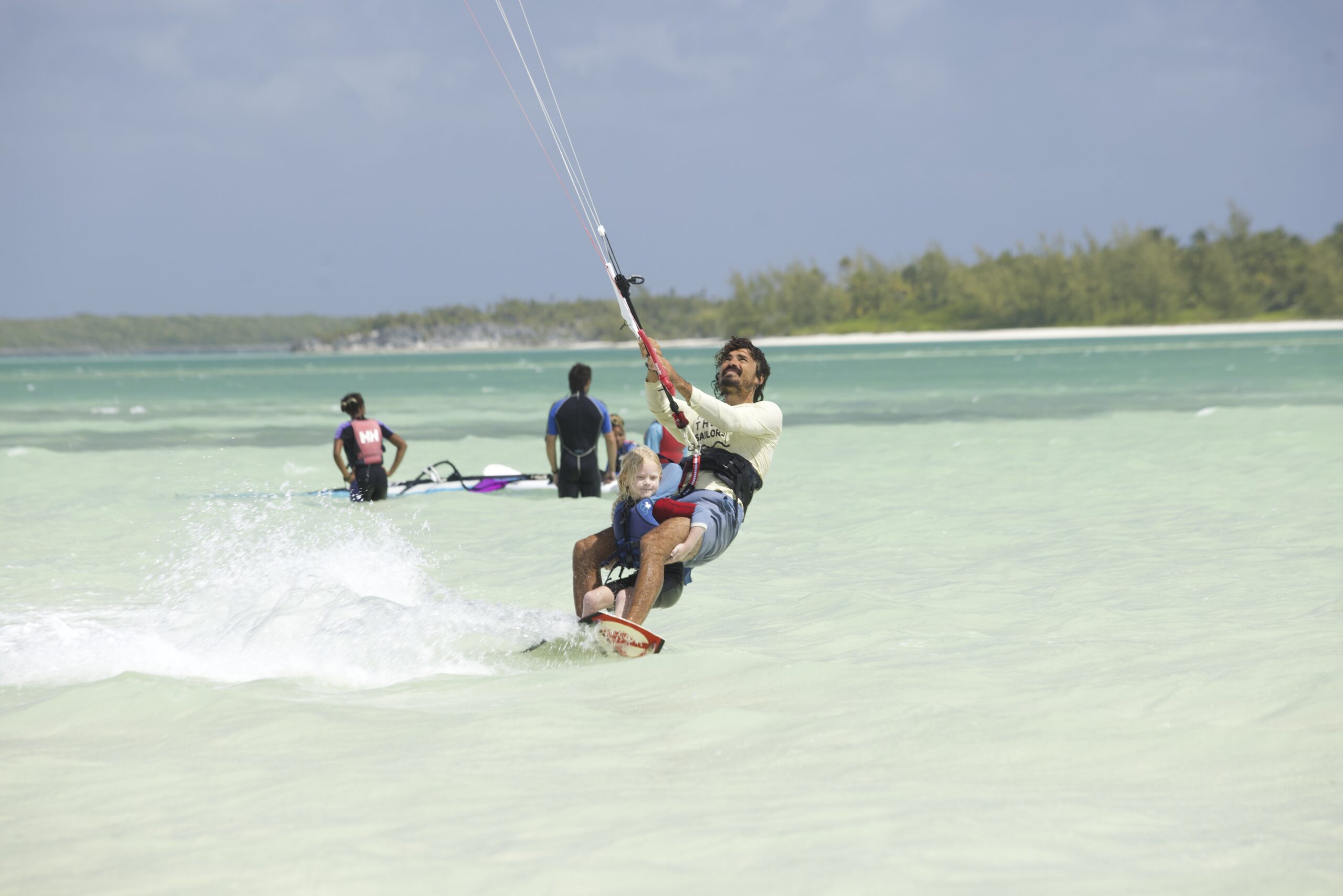
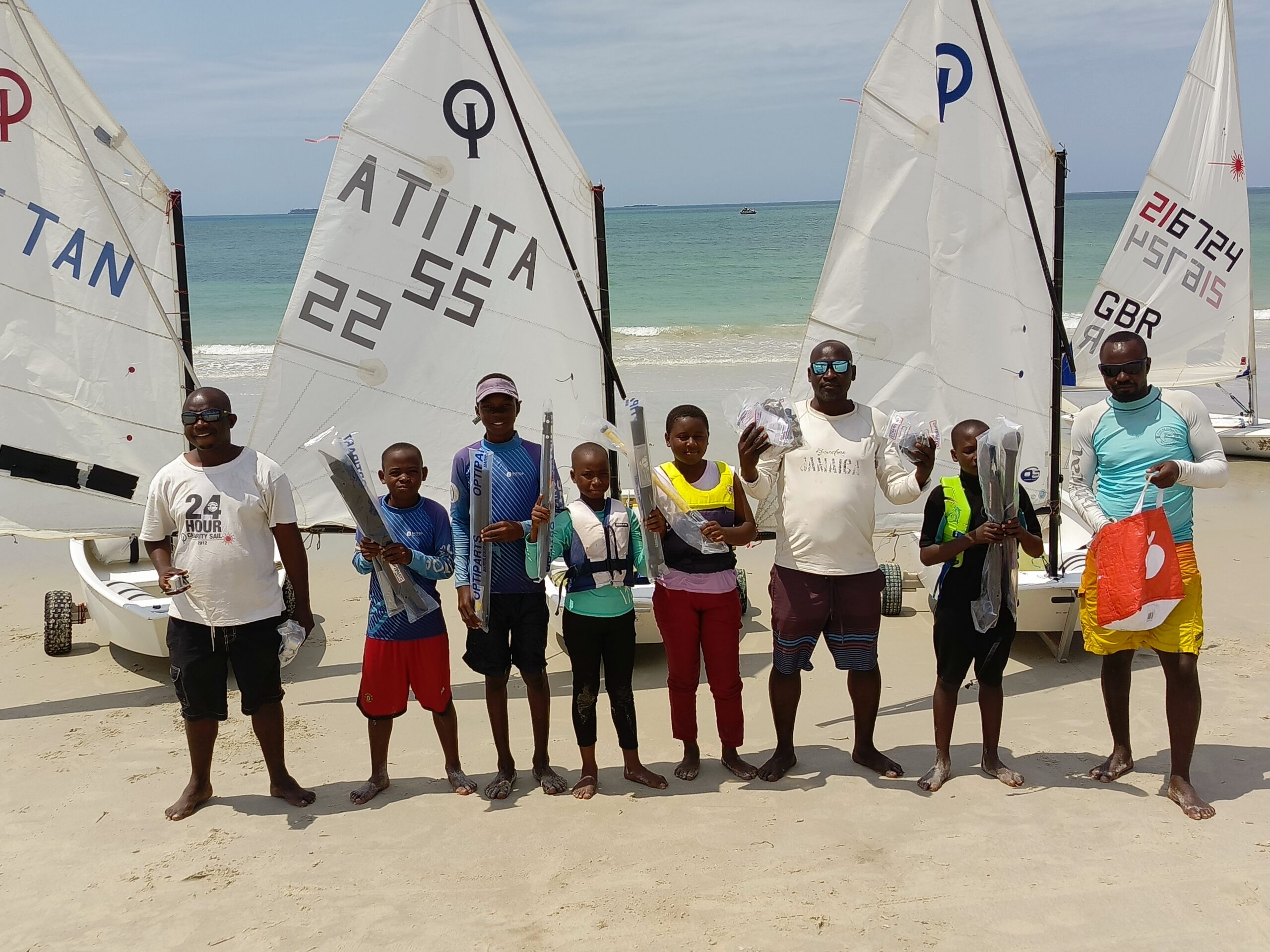
The vision for the future of ESA includes opening a sailing school in each of the main settlements on the island. Securing permanent facilities presents challenges, particularly with property availability and ownership. So, the Academy is exploring innovative solutions, including the concept of a “mobile school.” This approach would allow the program to travel to different settlements as needed, bringing the necessary boats, equipment, and instruction.
One of the greatest challenges the program currently faces—and one that has existed since its inception—is transportation. Many of the children come from families who are unable to drive them to the ESA due to work schedules or because they do not own a vehicle. As a result, reliable transportation is often unavailable, preventing many children from participating in the program. To help address this barrier, the organization is actively exploring options to acquire a passenger van that would provide transportation to and from the program, making it accessible to more students.
Another idea to bring growth to the program is to build a new “camp like” facility. This would be an area near the sailing academy that would include “glamping type” sleeping facilities, cooking facilities, restrooms, etc. ESA would be able to offer programs for high schools, colleges and individual groups from the United States. These custom-tailored programs would introduce foreigners to a unique sailing venue unlike any they have ever experiences before, while combining world-class sailing with a chance to explore the Bahamian culture and interact with locals. With the available boats that the school currently has, there is so much to offer to any level of sailor.
In one of my discussions with Martin, I asked what is it that they need most to continue to grow and be successful. With a smile on his face, he said that unbelievably, the last thing that they need is more equipment! The outpouring of equipment from boats, sails, lifejackets, wetsuits, etc., they have enough of everything for now. But, as with every non-profit, they are lacking the funds to grow the program as it should. These funds would go towards transportation needs (purchasing a van), salaries for year-round staff, insurance and the potential growth of the facilities to other settlements.
If you are interested in learning more about the Eleuthera Sailing Academy or Make Them Sailors, please visit the links below. Donations help keep boats repaired, sails usable, safety equipment current, and programs accessible to local children. Financial support can help cover transportation, instructor training, scholarships, maintenance, and the everyday operating costs that are easy to overlook but essential to keeping kids on the water.